
Table of Contents
ToggleModern lifestyles can make it challenging to maintain healthy daily habits. Busy schedules, irregular meals, sedentary routines, environmental exposure, stress, and inadequate sleep can all influence how people feel from day to day. As interest in holistic wellness continues to grow, many people are exploring wellness detox products as part of a broader approach to maintaining healthy lifestyle habits.
However, it is important to understand what detox products can and cannot realistically do. The human body already has natural systems involved in processing and eliminating unwanted substances, particularly through organs such as the liver and kidneys. Therefore, wellness products are best considered as potential additions to an overall healthy routine rather than replacements for nutritious food, regular physical activity, adequate sleep, or professional medical care.
What Are Wellness Detox Products?
Wellness detox products generally refer to dietary supplements, herbal formulations, beverages, powders, capsules, or other products marketed around concepts such as digestive wellness, daily cleansing, liver support, or general vitality.
These products can contain different combinations of botanical ingredients, vitamins, minerals, plant extracts, or other dietary ingredients. Their formulations and intended uses can vary considerably between brands.
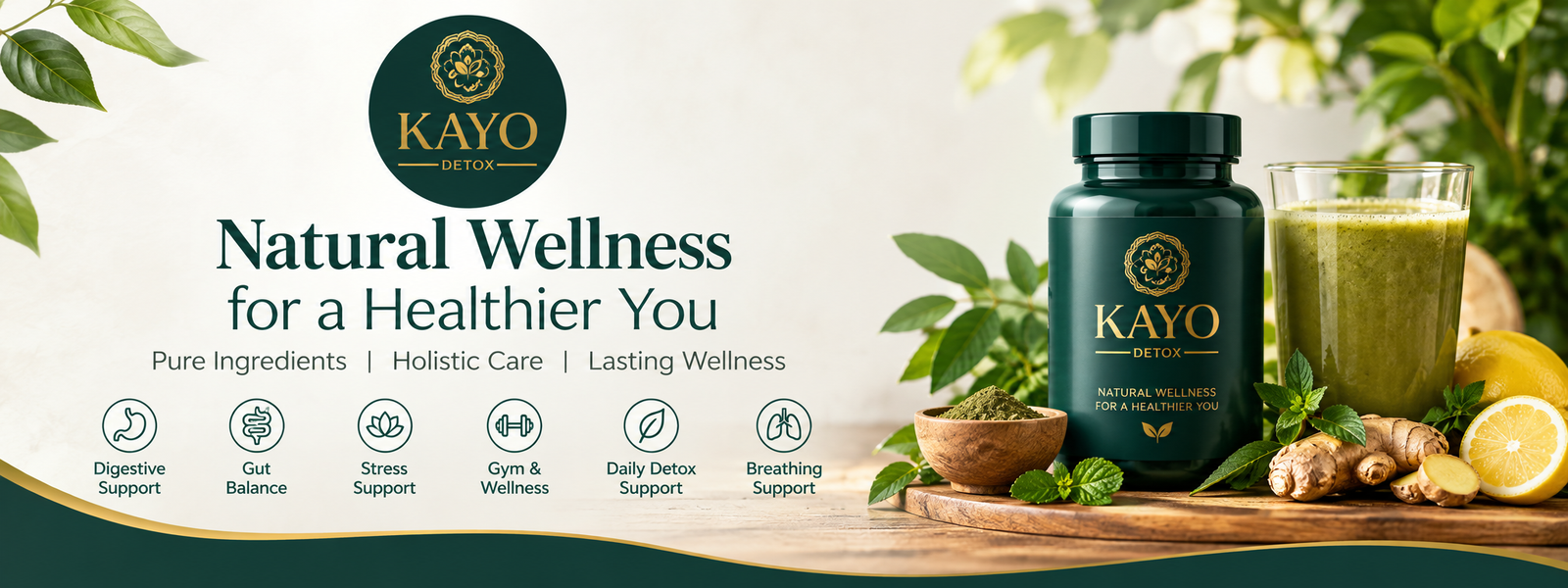
For example, a wellness brand may organize products around areas such as digestive support, gut balance, stress support, daily detox support, breathing support, or general wellness. Kayo Detox follows a similar wellness-oriented approach, with product categories covering areas including digestive support, gut balance, stress support, gym and wellness, daily detox support, and breathing support.
Because formulations differ, consumers should always read the ingredient label, serving instructions, warnings, and other product information before using a supplement.
How Does the Body Naturally Handle Detoxification?
The term “detox” is often used broadly in wellness marketing, but the body’s natural processes are more complex than simply taking a cleansing product.
The liver plays an important role in processing substances, while the kidneys help filter the blood and remove waste through urine. The digestive system and other physiological processes also contribute to maintaining the body’s internal balance.
According to the National Center for Complementary and Integrative Health (NCCIH), there is limited high-quality evidence supporting commercial detox diets or cleansing programs for eliminating toxins from the body. Some restrictive detox programs can also create risks, particularly when they involve prolonged fasting, severe calorie restriction, laxatives, or excessive fluid consumption.
This distinction matters because a wellness routine should support healthy habits rather than promise a quick “reset” or claim to remove unspecified toxins.
Potential Role of Wellness Detox Products
When used responsibly, wellness supplements may fit into a broader lifestyle routine. Their role depends largely on their ingredients, formulation, intended use, and the individual’s nutritional needs.
Some people may choose products designed around digestive wellness, while others may be interested in products formulated with botanical ingredients for general daily wellness. The important consideration is to view these products as one component of a lifestyle rather than a standalone solution.
For instance, Kayo Detox describes its approach as combining Ayurvedic wellness concepts with modern wellness values and highlights natural ingredients and a holistic approach. Its current collection includes products and combinations positioned around daily wellness, digestive support, stress support, and detox support.
Consumers should nevertheless evaluate individual products based on their actual ingredients and available evidence rather than relying solely on broad terms such as “natural,” “cleanse,” or “detox.”
Choosing Wellness Detox Products Responsibly
With so many supplements available online and in stores, choosing a product requires some careful consideration. A few basic steps can help consumers make more informed decisions.
1. Check the Ingredient List
Look for a complete ingredient list and understand what each ingredient is intended to provide. Avoid products that do not clearly disclose their ingredients or quantities where such information is expected.
The NCCIH notes that scientific evidence varies considerably among dietary and herbal supplements. Products available commercially may also differ from products evaluated in research studies.
2. Avoid Unrealistic Claims
Be cautious about products claiming to instantly remove toxins, cure diseases, produce dramatic weight loss, or replace medical treatment.
A responsible wellness product should be presented within reasonable expectations. Detoxification should not be portrayed as a shortcut to compensate for an unhealthy lifestyle.
3. Consider Your Individual Needs
A supplement that works for one person may not be appropriate for another. Age, diet, medications, allergies, existing health conditions, and other factors can influence whether a dietary supplement is suitable.
Some supplements can interact with medications or create risks for people with particular medical conditions. NCCIH recommends discussing complementary health products with healthcare professionals when appropriate.
4. Follow the Recommended Serving
More is not necessarily better. Taking excessive quantities of supplements can create unnecessary risks. Always follow the manufacturer’s serving instructions unless a qualified healthcare professional advises otherwise.
5. Look Beyond the Product
A detox supplement cannot compensate for consistently poor nutrition, insufficient sleep, inactivity, or inadequate hydration.
Instead, consider the complete wellness picture: balanced meals, sufficient water, regular movement, good-quality sleep, stress management, and appropriate medical care.
Building a Practical Daily Wellness Routine
A sustainable wellness routine does not need to be complicated. Start with fundamentals that have broad relevance to everyday health.
Prioritize a varied diet containing vegetables, fruits, whole grains, protein sources, and healthy fats. Stay adequately hydrated according to your individual needs. Regular physical activity can support overall fitness and well-being, while consistent sleep provides an important foundation for daily functioning.
Stress management is another important consideration. Simple practices such as walking, breathing exercises, meditation, hobbies, or spending time away from screens can help create healthier daily patterns.
If someone chooses to incorporate wellness detox products into this routine, the product should complement—not replace—these fundamental habits.
Are Detox Programs the Same as Detox Supplements?
Not necessarily. The word “detox” can describe many different approaches, ranging from dietary supplements to highly restrictive diets and fasting programs.
NCCIH explains that detox and cleansing programs can include fasting, juice-only diets, dietary supplements, herbs, laxatives, colon cleansing, and other approaches. Evidence for these programs varies, and some restrictive approaches may cause problems such as dehydration, nutrient deficiencies, or electrolyte imbalances.
For this reason, consumers should distinguish between a moderate wellness supplement routine and extreme cleansing practices.
The Importance of a Balanced Perspective
The growing popularity of wellness products reflects a broader interest in preventative lifestyle habits and holistic well-being. However, informed use requires realistic expectations.
Rather than viewing detox products as a way to “flush out” toxins overnight, consumers can think of them as optional supplements within a broader wellness strategy. Understanding ingredients, checking product information, following serving instructions, and seeking professional guidance when necessary are all important steps.
Ultimately, sustainable wellness comes from consistent habits rather than quick fixes. A balanced diet, regular movement, hydration, sufficient sleep, stress management, and appropriate healthcare remain central to maintaining overall well-being.
Final Thoughts
Wellness detox products can be part of an individual’s broader approach to self-care, particularly when selected carefully and used according to product directions. However, the concept of detoxification is frequently oversimplified, and consumers should be cautious of exaggerated claims.
Brands such as Kayo Detox offer wellness-focused products organized around areas such as daily detox support, digestive support, gut balance, stress support, and general wellness. For consumers considering these products, the most useful approach is to examine the ingredients, understand the intended purpose, consider personal circumstances, and maintain realistic expectations.
Good wellness is ultimately less about a dramatic cleanse and more about creating sustainable habits that support the body every day.