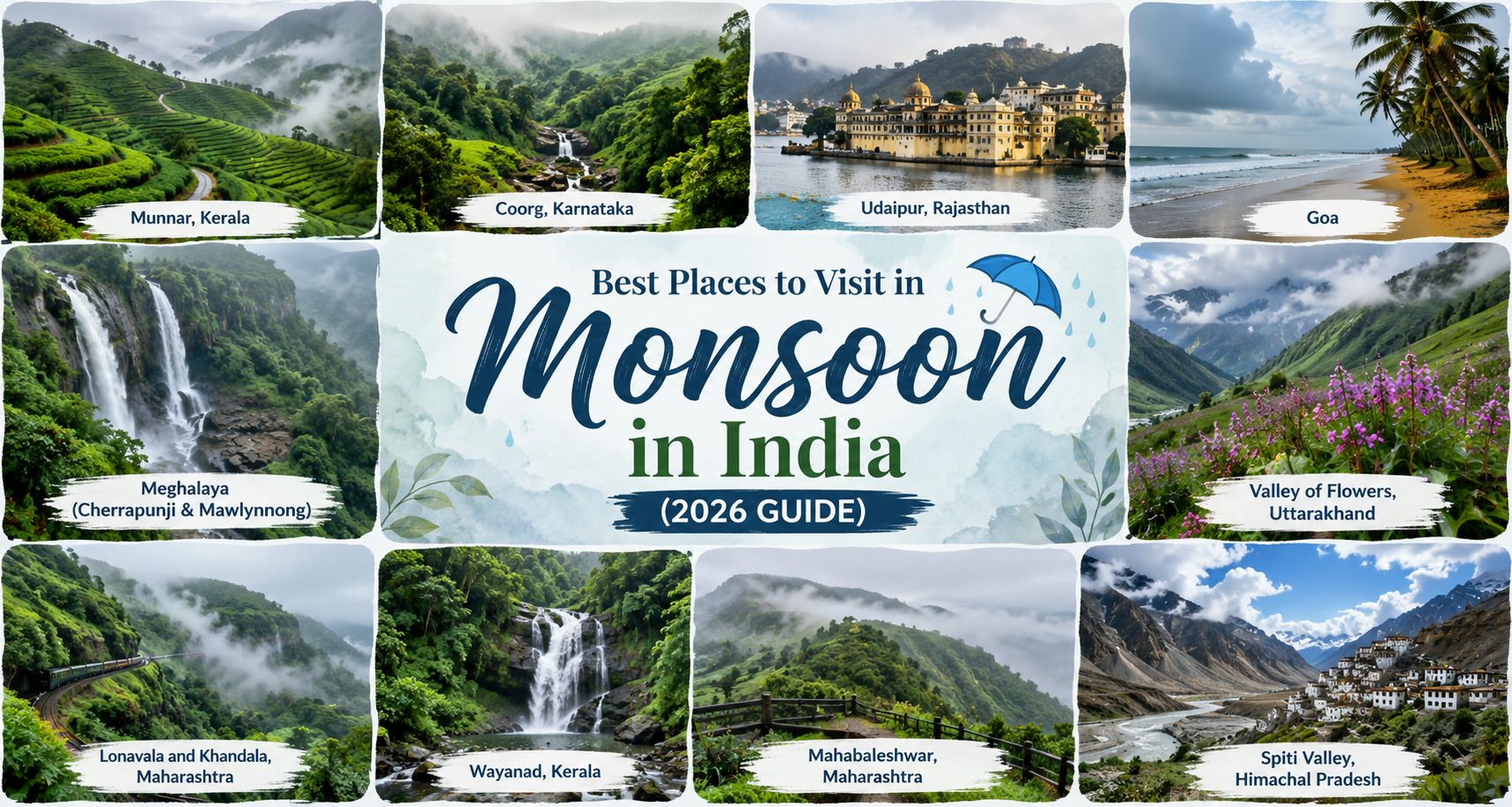
Most people pack away their travel plans the moment the first monsoon cloud rolls in. That’s a mistake. Some of the best places to visit in monsoon in India only show their true colours once the rains arrive. Waterfalls that are barely a trickle in summer turn into thundering curtains of water, and hill stations get wrapped in a kind of fog you can’t buy a ticket for any other time of year.
Seasoned travelers who’ve chased these landscapes year after year, getting soaked more times than not, will tell you this: with the right planning, monsoon travel in India is some of the most rewarding travel out there. This guide covers ten destinations worth the detour, plus the practical stuff: budgets, transport, food, and the mistakes that ruin a trip.
Why Travel to India During the Monsoon?
Monsoon season, roughly June to September, scares off the crowds. That means lower hotel prices, shorter queues, and a kind of quiet at popular sites that you simply won’t find in peak season.
It’s also when India’s landscapes are at their greenest. Hillsides that look dusty and brown in April turn a deep, saturated green by July. Waterfalls that don’t even exist in the dry months suddenly appear on hillsides you’ve driven past a dozen times.
That said, monsoon road trips in India need more planning than a regular getaway. Roads can get slippery, some trekking routes shut down for safety, and visibility drops in the hills. None of that should stop you; it just means planning smarter.
1. Munnar, Kerala
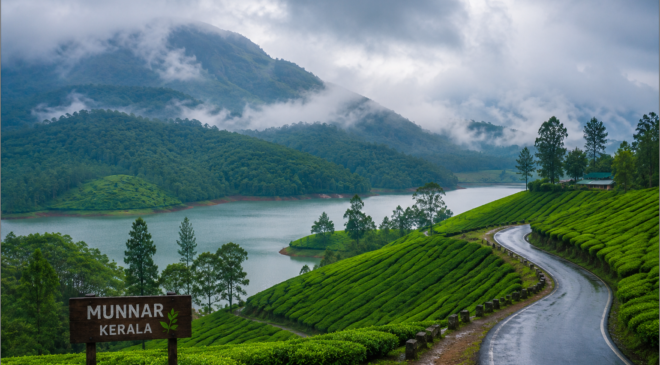
Munnar in the rains is a different place altogether. The tea gardens turn a shade of green that photos never quite capture, and low clouds drift right through the estates at eye level.
Best time to visit: June to September, with July offering the heaviest, most dramatic rainfall.
How to reach: Fly into Kochi (about 130 km away) and take a taxi or bus up through the ghats. The drive itself is part of the experience.
Estimated budget: ₹2,500–4,000 per day for a mid-range stay, food, and local transport.
Things to do:
-
- Walk through the Kolukkumalai tea estate before the afternoon mist rolls in
-
- Visit Attukal and Lakkam waterfalls, both swollen and dramatic in the rains
-
- Try a homestay instead of a resort for better food and better local tips
Local tip: Roads to Top Station can close after heavy rain. Check locally before heading out early morning.
2. Coorg, Karnataka
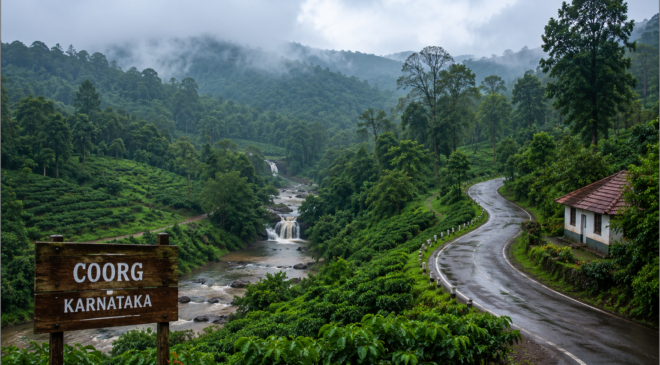
Coorg, or Kodagu as locals call it, is coffee country, and monsoon is when the coffee plants actually need the rain they get. It’s one of the quieter monsoon destinations in India, still relatively undiscovered compared to Munnar or Ooty.
Best time to visit: June to August.
How to reach: Nearest airport is Mangalore (around 140 km); Bengaluru is about 250 km by road, roughly a 5- 6-hour drive.
Estimated budget: ₹2,000–3,500 per day.
Things to do:
-
- Abbey Falls, which floods with volume during peak monsoon
-
- Coffee plantation stays that let you watch harvest prep up close
-
- Raja’s Seat for a proper sunset when the clouds part
Mistake to avoid: Don’t attempt Tadiandamol trek during heavy rain, since leeches and slippery trails make it risky without a local guide.
3. Udaipur, Rajasthan
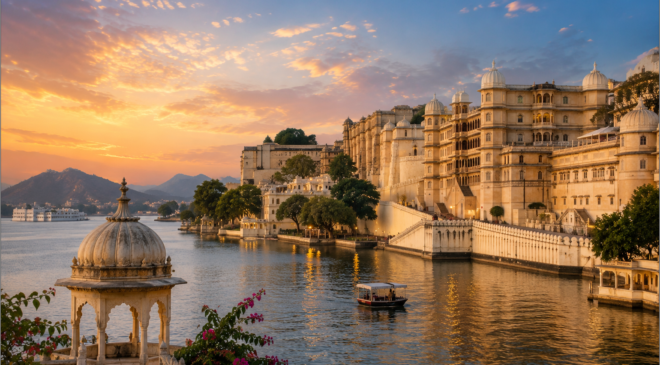
Best time to visit: July to September.
How to reach: Udaipur has its own airport with regular flights from Delhi, Mumbai, and Bengaluru.
Estimated budget: ₹3,000–5,000 per day, higher if you book a lake-facing heritage hotel.
Things to do:
-
- Boat ride on Lake Pichola once water levels rise post-rain
-
- Saheliyon Ki Bari gardens, built specifically around monsoon fountains
-
- Monsoon Palace (Sajjangarh) for cloud-covered valley views
Local tip: Book hotels with cancellation flexibility, since sudden downpours can shift your plans by a day.
4. Goa
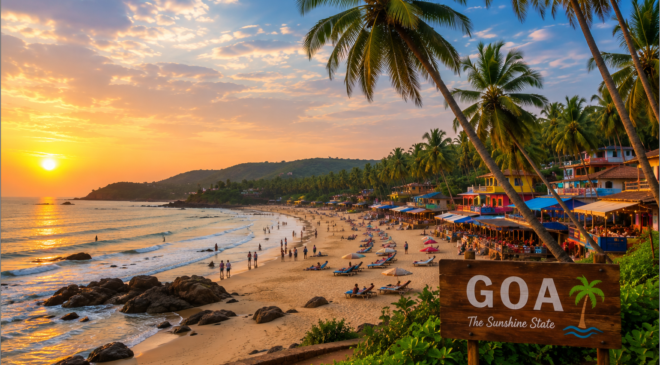
Everyone knows Goa for its beach parties, but monsoon Goa is a completely separate experience: quieter, greener, and cheaper.
Best time to visit: June to September, though beach shacks mostly shut and swimming is restricted due to rough seas.
How to reach: Goa airport (Dabolim/Manohar) has direct flights from most major Indian cities.
Estimated budget: ₹1,800–3,000 per day, among the cheapest of the season.
Things to do:
-
- Dudhsagar Falls, which is genuinely worth seeing only in monsoon
-
- Spice plantation tours in inland Goa
-
- Old Goa’s churches, far less crowded than in winter
Safety advice: Sea swimming is dangerous in monsoon due to strong currents. Stick to pool time if you want to cool off.
5. 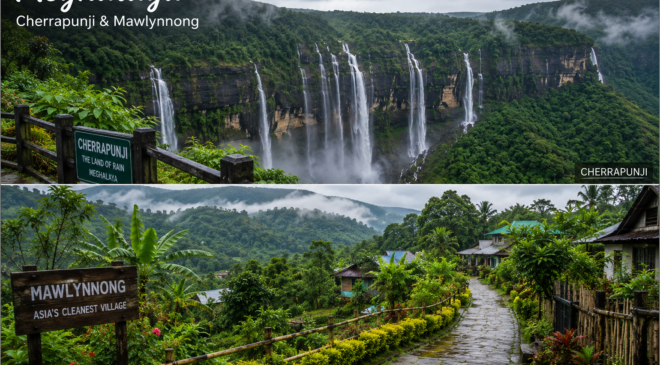
If you want to see rain, actual rain, Meghalaya is where you go. Cherrapunji and nearby Mawsynram are among the wettest places on Earth, and the state earns its nickname, “Abode of Clouds,” every single day of monsoon.
Best time to visit: June to September.
How to reach: Fly to Shillong or Guwahati, then travel by road (Cherrapunji is around 55 km from Shillong).
Estimated budget: ₹2,500–4,000 per day.
Things to do:
-
- Living root bridges in Nongriat, best appreciated when the streams below are full
-
- Nohkalikai Falls, India’s tallest plunge waterfall, especially powerful post-rain
-
- Mawlynnong village, regularly cited as Asia’s cleanest village
Local tip: Pack proper rain gear, not just an umbrella. This isn’t drizzle-level rain; it’s constant, heavy downpour.
6. Valley of Flowers, Uttarakhand
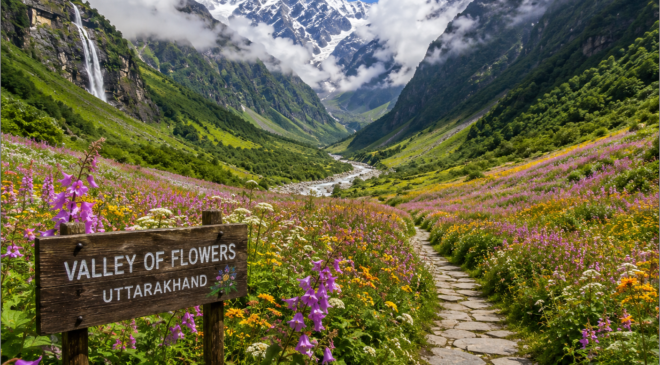
This one’s for a specific kind of traveler. The Valley of Flowers National Park opens for a narrow window each year, and monsoon is precisely when hundreds of alpine flower species bloom across the valley floor.
Best time to visit: Mid-July to mid-August is peak bloom.
How to reach: Fly to Dehradun, then travel by road to Govindghat, followed by an 18 km trek to Ghangaria and further on to the valley itself.
Estimated budget: ₹3,500–5,500 per day, including guide and trekking costs.
Things to do:
-
- Trek through the valley itself, since no vehicles are allowed inside
-
- Visit Hemkund Sahib nearby if you have an extra day and decent fitness
-
- Photograph the blue poppies and Brahma kamal, both rare and short-blooming
Mistake to avoid: This trek isn’t casual. Go with proper footwear, a raincoat, and realistic fitness expectations. It’s a demanding trail even without the rain.
7. Lonavala and Khandala, Maharashtra
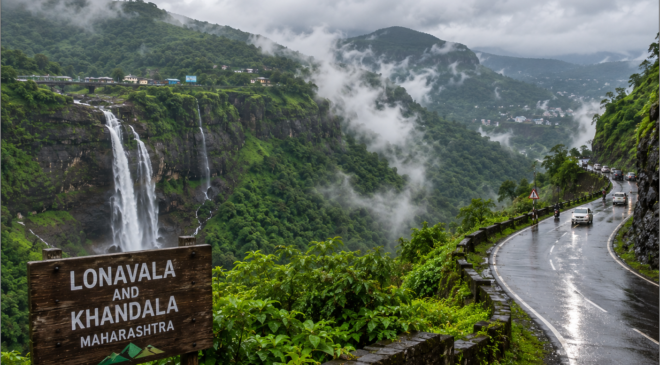
For Mumbai and Pune residents, this is the classic weekend monsoon getaway, and for good reason. The ghats here turn into a genuine spectacle within days of the first proper rain.
Best time to visit: June to September.
How to reach: Well connected by train and road from both Mumbai and Pune, roughly 2 hours from either city.
Estimated budget: ₹1,500–2,800 per day, budget-friendly by design.
Things to do:
-
- Bhushi Dam, where water flows directly over the steps (go early to avoid crowds and closures)
-
- Lohagad and Rajmachi forts for short, scenic monsoon treks
-
- Tiger’s Point and Lion’s Point for cloud-filled valley views
Local tip: Weekends get packed. If you can manage a weekday trip, do it. It changes the entire experience.
8. Wayanad, Kerala
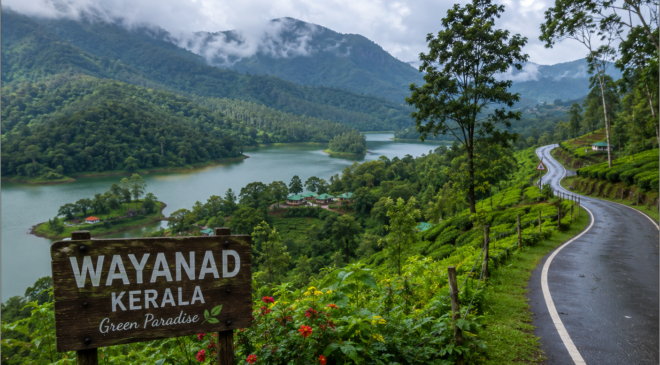
Wayanad doesn’t get quite the attention Munnar does, but honestly, it’s just as good, and often less crowded.
Best time to visit: June to September.
How to reach: The nearest airport is Calicut (Kozhikode), about 65 km away.
Estimated budget: ₹2,200–3,800 per day.
Things to do:
-
- Soochipara and Meenmutty waterfalls, both dramatically fuller in the rains
-
- Edakkal Caves for a bit of ancient history mixed into your trip
-
- Chembra Peak trek (check conditions, sometimes closed during heavy rain)
Local tip: Wildlife sanctuaries here sometimes restrict entry during peak monsoon for safety. Call ahead before planning a visit.
9. Mahabaleshwar, Maharashtra
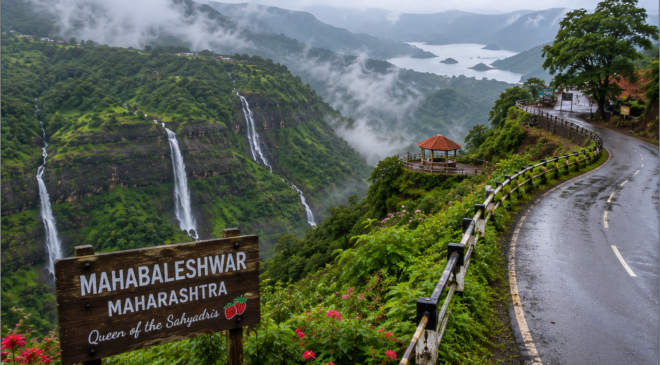
Mahabaleshwar gets genuinely dramatic during the rains: thick fog, roaring waterfalls, and a chill in the air that feels earned rather than artificial.
Best time to visit: June to September.
How to reach: About 120 km from Pune, roughly 3- 4 hours by road.
Estimated budget: ₹2,000–3,500 per day.
Things to do:
-
- Lingmala and Dhobi waterfalls, both close to town
-
- Venna Lake area, quieter in the rains but still scenic
-
- Local strawberry farms, though peak strawberry season is actually earlier in the year
Mistake to avoid: Don’t expect clear viewpoint photos. Fog can sit for hours; build flexibility into your itinerary instead of chasing a single “perfect” shot.
10. Spiti Valley, Himachal Pradesh
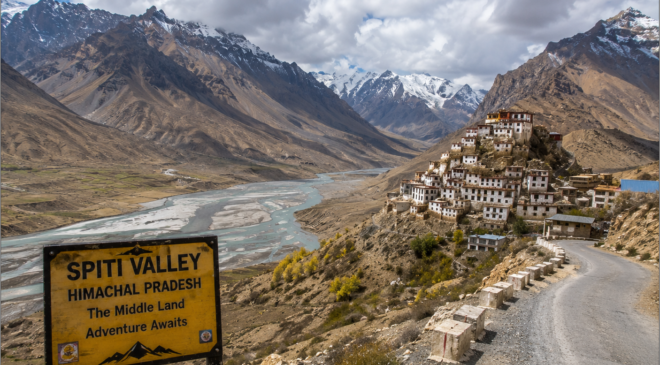
Here’s the twist: if you actually want to avoid monsoon rain altogether, Spiti Valley is a rain-shadow desert that stays largely dry even when the rest of India is drenched.
Best time to visit: July and August, when Spiti’s high mountain passes are most reliably open.
How to reach: Fly to Kullu or Shimla, then travel by road. This is a long, high-altitude drive, so budget extra days.
Estimated budget: ₹3,500–6,000 per day, higher due to remote logistics.
Things to do:
-
- Key Monastery and the surrounding Spiti River valley
-
- Chandratal Lake, only accessible in summer months
-
- Villages like Langza and Komic, among the highest inhabited settlements in the world
Local tip: This isn’t a typical rainy-season trip in the classic sense, but it’s genuinely one of the best monsoon road trips in India for anyone tired of getting rained on.
Quick Comparison: Monsoon Destinations at a Glance
| Destination | Ideal For | Daily Budget (₹) | Rainfall Intensity |
| Munnar | Hill views, tea estates | 2,500–4,000 | High |
| Coorg | Quiet coffee country | 2,000–3,500 | High |
| Udaipur | Lakes, heritage stays | 3,000–5,000 | Moderate |
| Goa | Budget travel, greenery | 1,800–3,000 | High |
| Meghalaya | Extreme rain, root bridges | 2,500–4,000 | Very High |
| Valley of Flowers | Trekking, rare flora | 3,500–5,500 | High |
| Lonavala | Weekend trips | 1,500–2,800 | High |
| Wayanad | Waterfalls, wildlife | 2,200–3,800 | High |
| Mahabaleshwar | Fog, short getaways | 2,000–3,500 | High |
| Spiti Valley | Dry escape, road trips | 3,500–6,000 | Low |
Packing Tips for Monsoon Travel in India
-
- Quick-dry clothing over cotton, which stays wet for hours
-
- A proper rain jacket rather than just an umbrella, especially for hill destinations
-
- Waterproof bags or dry sacks for electronics
-
- Grip-soled footwear, since flip-flops on wet stone steps are a fast way to twist an ankle
-
- A basic first-aid kit, since minor slips are more common in the rains
Safety and Local Customs to Keep in Mind
Landslide-prone routes in the hills (parts of Uttarakhand, the Western Ghats, and the Northeast) can shut with little notice. Always check local advisories before a road trip, not just the weather forecast.
Rivers and waterfalls look tempting for a dip, but currents get dangerously strong in monsoon. Several accidents happen every year at exactly this kind of spot, so admire from a safe distance.
Locally, it’s worth remembering that agricultural communities depend on this rain. Don’t complain too loudly about the weather around farmers in Coorg or Wayanad, since for them, it’s the reason their entire year’s crop survives.
Frequently Asked Questions
1. Which are the best places to visit in monsoon in India for a weekend trip?
Lonavala, Khandala, and Mahabaleshwar are ideal weekend monsoon getaways from Mumbai and Pune, all within a 3-4 hour drive and well set up for short trips.
2. Is it safe to travel in India during monsoon?
Yes, generally, if you plan around known landslide-prone routes and avoid trekking or swimming in flooded areas. Check local weather advisories a day or two before travel, not just on the morning you leave.
3. What is the best hill station to visit in monsoon?
Munnar and Coorg both rank among the best hill stations in monsoon, thanks to their tea and coffee plantations, which look their best after heavy rain.
4. Which waterfalls are worth visiting during monsoon in India?
Dudhsagar Falls in Goa, Nohkalikai Falls in Meghalaya, and Soochipara Falls in Wayanad are some of the most dramatic waterfalls in India during monsoon.
5. Are flights and hotels cheaper during monsoon season?
Yes. Monsoon is off-peak for most Indian destinations, so hotel rates often drop 20-40% compared to winter and summer peak season.
Final Thoughts
Monsoon travel in India rewards people who plan a little differently. Trade your usual sightseeing checklist for something slower: a homestay with a view of the rain, a plate of hot pakoras while it pours outside, a waterfall that wasn’t even there three months ago.
Whether you’re drawn to the fog-covered tea gardens of Munnar, the extreme rainfall of Meghalaya, or the dry mountain roads of Spiti, there’s a version of this season that suits how you like to travel. Pick a couple of these best places to visit in monsoon in India, check the local advisories closer to your travel date, and go see what the rain does to these places. It’s worth it.